By Gideon Maxwell

April 22, 2026
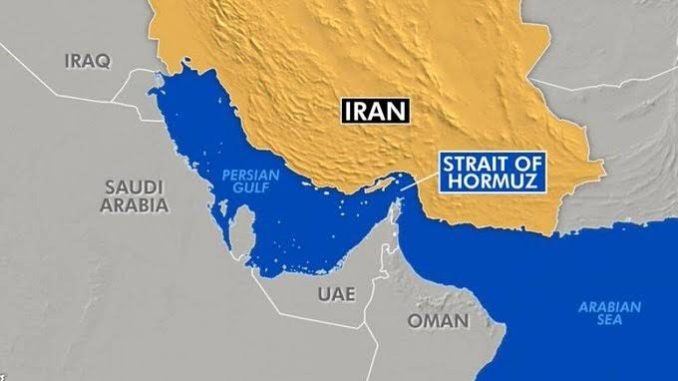
Global oil prices climbed sharply on Wednesday after multiple container ships were hit by gunfire in the Strait of Hormuz, triggering fresh fears over energy supply disruptions in one of the world’s most critical oil transit routes.
Brent crude rose above $100 per barrel, while US West Texas Intermediate traded above $91, reversing earlier losses as markets reacted to escalating security risks in the region.
At least three commercial vessels came under attack, according to maritime security sources and the United Kingdom Maritime Trade Operations.
One Liberia flagged container ship sustained damage after being hit by gunfire and rocket propelled grenades northeast of Oman, reportedly after an encounter with an Iranian Revolutionary Guard gunboat.
Two other vessels, including a Panama flagged ship, were also fired upon in nearby waters, though they escaped without damage. All crew members across the affected ships were confirmed safe, and no environmental spill was reported.
ALSO READ: Pope Leo in Angola blasts ‘despots’ over Africa’s plundered wealth
The Strait of Hormuz remains one of the most sensitive energy corridors globally, handling roughly one fifth of the world’s oil and liquefied natural gas shipments.
The latest attacks come amid an already fragile security environment shaped by the ongoing Iran war, US naval blockade measures, and retaliatory restrictions imposed by Tehran on shipping movements through the channel.
Shipping traffic has been severely disrupted in recent weeks, with flows dropping sharply as insurers, shipping firms, and naval authorities reassess risk exposure in the Gulf.
The incident coincides with continued uncertainty around ceasefire negotiations. US President Donald Trump has announced an extension of the truce to allow further talks, but market confidence remains weak amid doubts over whether Iran and its adversaries will sustain de escalation efforts.
Analysts note that even temporary disruptions in Hormuz can have outsized effects on oil prices due to already tight global supply conditions and declining inventories.
Energy markets remain highly volatile, with prices swinging in response to every development tied to the Strait.
While earlier signals of a reopening had briefly eased prices, renewed attacks on vessels have reinforced concerns that safe passage through the waterway cannot yet be guaranteed.
If tensions persist or escalate further, analysts warn that oil prices could climb higher, intensifying inflationary pressures and posing renewed risks to the global economy.