By Marvellous Nyang

May 27, 2028
Muslims around the world observed Eid al-Adha with large congregational prayers, with prominent imams, royal scholars and national religious leaders leading the main khutbahs in major Islamic centres.
These observances were held across Saudi Arabia, the United Arab Emirates, Iran, Nigeria, Turkey and other countries with large Muslim populations.
The celebrations were marked not only by devotion and sacrifice but also by coordinated religious leadership across the globe, with each country’s most senior clerics delivering sermons centred on unity, obedience to GOD, humanitarian responsibility and peace.
Saudi Arabia: Grand mosques of Makkah and Madinah lead global observance
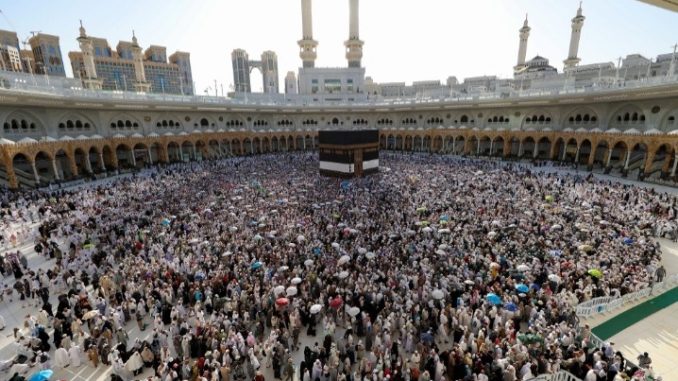
In Saudi Arabia, the spiritual heart of Islam, the most significant Eid al-Adha prayers were held at Masjid al-Haram in Makkah and Al-Masjid an-Nabawi in Madinah, where senior appointed imams led worshippers in early morning prayers shortly after sunrise.
At the Prophet’s Mosque in Madinah, leading imams from the Presidency of the Two Holy Mosques delivered the Eid khutbah.
Scholars such as Sheikh Saleh Al-Maghamsi and Sheikh Salah Al-Budair, both widely recognised within the Kingdom’s religious establishment, are associated with leading major congregational prayers and sermons in the holy city during important Islamic observances.
In Makkah, imams affiliated with the Grand Mosque, including prominent qaris and khatibs regularly appointed by royal decree, led the Eid prayer in the presence of millions of worshippers and pilgrims completing Hajj rites nearby.
The sermons traditionally focused on unity of the Muslim Ummah, obedience to divine instruction and compassion toward the needy.
United Arab Emirates: Presidential participation at Abu Dhabi Grand Mosque
In the United Arab Emirates, the main Eid al-Adha prayer at the Sheikh Zayed Grand Mosque in Abu Dhabi was attended by President Sheikh Mohamed bin Zayed Al Nahyan.
ALSO READ: Faith activates what grace has provided through evidence in God’s word — Rev Elekima Ekine
He joined senior royal family members and government officials in the congregation.
The Eid sermon delivered at the mosque emphasised devotion, family unity and national cohesion.
The message reflected the UAE’s tradition of combining state leadership with religious observance during major Islamic festivals.
Iran: National prayers amid regional tensions
In Iran, Eid prayers were associated with the country’s senior religious leadership, with major congregations held in Tehran and other large cities.
Senior clerics and state officials attended the gatherings as worshippers prayed for peace and stability.
Sermons in several mosques addressed ongoing regional conflicts and humanitarian concerns affecting parts of the Middle East.
Turkey and wider Middle East: Imams emphasise solidarity
In Turkey, Eid al-Adha prayers were conducted in major mosques across Istanbul, Ankara and other cities.
State appointed imams delivered khutbahs focused on solidarity, charity and community responsibility.
Across Egypt, Jordan and Iraq, central mosques witnessed massive congregations as senior imams called for unity, peace and support for vulnerable families.
Nigeria: Chief imams and emirs lead prayers
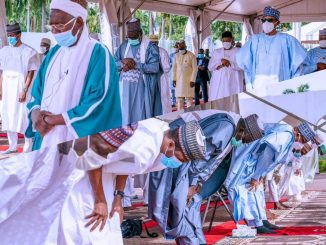
In Nigeria, Eid al-Adha prayers were held in major prayer grounds across Lagos, Kano, Kaduna and Abuja.
Chief imams of central mosques led the congregational prayers and delivered sermons addressing peace, security and national unity.
Traditional rulers and emirs also attended prayers in several northern states alongside thousands of worshippers.
The sermons emphasised sacrifice, communal harmony and support for the less privileged.
Call for peace and compassion
Across all regions, the central tone of Eid al-Adha sermons remained consistent.
Religious leaders stressed unity of the Muslim Ummah, sacrifice, obedience to GOD and compassion for the poor.
Many clerics also used the occasion to draw attention to humanitarian crises and the suffering of displaced populations affected by conflict and instability.
Eid al-Adha once again demonstrated its role as a unifying global religious observance.
From Makkah to Abuja and from Abu Dhabi to Tehran, Muslim leaders delivered a shared message centred on faith, sacrifice, peace and humanitarian responsibility.