
By Seyi Gesinde

April 4, 2026
Today is called Holy Saturday, also known in many Christian traditions as the Great Sabbath, the day of waiting between the crucifixion of JESUS CHRIST and His resurrection.
The day after the crucifixion is often overlooked, yet it carries a depth that is both haunting and profound. This is the Saturday of waiting, the stillness between suffering and victory, the day when heaven seemed silent and hope appeared buried.
Jerusalem woke under a strange weight that morning. The noise of the previous day had faded, but it had not been replaced with peace. Instead, there was an uneasy quiet, the kind that follows something irreversible. The city that had shouted, condemned, and crucified now settled into reflection, confusion, and in many cases, indifference.
The body of JESUS CHRIST had been taken down from the cross before sunset on Friday, hastily wrapped and laid in a borrowed tomb belonging to Joseph of Arimathea, Matthew 27:57 to 60. It was done quickly because the Sabbath was approaching, and the law demanded rest. Ritual order resumed, even after the most extraordinary event had just taken place.
That Saturday was a Sabbath. By law, work ceased, movement slowed, and religious observance took precedence. Yet this was no ordinary Sabbath. Beneath the outward stillness was an undercurrent of fear and uncertainty.
For the disciples, it was a day of collapse. Everything they had believed seemed shattered. The one they had followed, trusted, and called Messiah was dead. The promises they had heard, the miracles they had witnessed, now felt distant, almost unreal. Fear gripped them. They hid behind closed doors, not only grieving but also afraid that they might be next, John 20:19.
The women who had followed JESUS closely carried a different burden. They had seen where He was laid, and though bound by Sabbath restrictions, their hearts were already preparing to return with spices and honour His body properly, Luke 23:55 to 56. Their love remained active even in silence, waiting for the first opportunity to act.
The religious authorities, however, were not at rest. Their concern had shifted from eliminating JESUS to preventing any continuation of His influence. They remembered His words about rising again, words the disciples themselves struggled to grasp. Determined to secure their position, they approached Pontius Pilate with a request.
They asked for the tomb to be guarded, fearing that His disciples might steal the body and claim resurrection, Matthew 27:62 to 64. Pilate granted their request. A stone was sealed, and Roman guards were posted, Matthew 27:65 to 66.
This act was meant to ensure finality. In their minds, this was the closing of a chapter. The teacher was gone, the movement would fade, order would return.
But this Saturday was not empty. It was hidden. It was the pause in a divine sequence. While the earth observed silence, heaven was not inactive. There is an indication of a deeper spiritual work, a proclamation beyond the physical realm, 1 Peter 3:18 to 19.
The city itself carried on with restrained normalcy. Pilgrims still moved about, families still observed the Sabbath, prayers were still offered. Yet conversations were different. Some spoke of the darkness that had covered the land, others of the strange events at the Temple, the tearing of the veil, the reports that circulated in hushed tones.
There were those who felt relief, believing a troubling voice had been silenced. There were others who felt a quiet unease, sensing that something about the execution had not been ordinary. And then there were a few, very few, who held on to a fragile expectation, recalling His words, though not yet understanding them.
This day represents the tension between what is seen and what is promised. It is the day where evidence suggests defeat, but truth is still unfolding. The stone is in place, the tomb is sealed, the guards are stationed, yet the story is not finished.
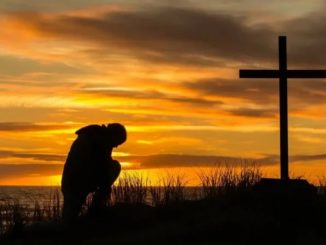
Holy Saturday speaks to moments in human experience where silence dominates, where prayers seem unanswered, where outcomes appear final. It is the space where faith is tested, not by opposition, but by absence.
Jerusalem on that day did not know what was coming. The authorities believed they had secured control. The disciples believed they had lost everything. The crowd had moved on.
But beneath the surface of that quiet city, the greatest turning point in history was already in motion.
The silence of Saturday was not emptiness. It was preparation.