March 20, 2026

Muslim communities worldwide are celebrating Eid al-Fitri 2026, the festival that marks the end of Ramadan and the breaking of the fast, with official announcements on the timing of the holiday now emerging from key religious and governmental authorities.
In Nigeria, the Sultan of Sokoto Muhammad Sa’ad Abubakar III and the Nigerian Supreme Council for Islamic Affairs have declared Friday 20 March 2026 as the first day of Shawwal 1447AH, officially marking Eid al Fitri after the crescent moon was not sighted on the 29th night of Ramadan.
The announcement follows reports that the moon sighting committees did not observe the new moon, meaning Muslims will complete 30 days of fasting before celebrating the festival across the country.
The Federal Government has also designated Thursday 19 March and Friday 20 March 2026 as public holidays to allow for Eid observances and extended celebrations, reflecting the significance of the festival in the national calendar and offering many workers and students a break.
Across the Muslim world, authorities have similarly announced Eid dates based on local moon sightings and religious rulings.
In Saudi Arabia, officials confirmed Friday 20 March 2026 as Eid al Fitri after stating the crescent moon was not sighted, with the announcement shared widely on social media platforms.
ALSO READ: How to persuade people to change their behaviour
Meanwhile in South Africa, religious leaders are expected to observe Saturday 21 March 2026 as the festival day following decisions by the United Ulama Council of South Africa on lunar observation.
In Iran and Iraq, Shia authorities have similarly set the holiday for Saturday after lunar observations, aligning the celebration with the completion of Ramadan.
The approaching Eid al Fitri comes against the backdrop of festive preparations and a sense of renewal among Muslim communities.
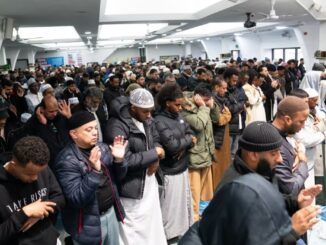
The festival typically begins with a dawn prayer service, followed by communal gatherings, special meals, charity, family visits, new clothes and expressions of gratitude and goodwill.
It also emphasises Zakat al Fitr, a form of alms giving that ensures even the less privileged share in the joy of the celebration.
Security agencies in parts of Nigeria have announced enhanced measures to ensure peaceful celebrations, reflecting proactive planning for increased movements and gatherings during the holiday period.
As millions prepare to greet the festival, key religious leaders and institutions continue to remind the faithful of the spiritual lessons of Ramadan, urging unity, charity and continued devotion beyond the holy month.