By Emmanuel Babafemi

April 13, 2026
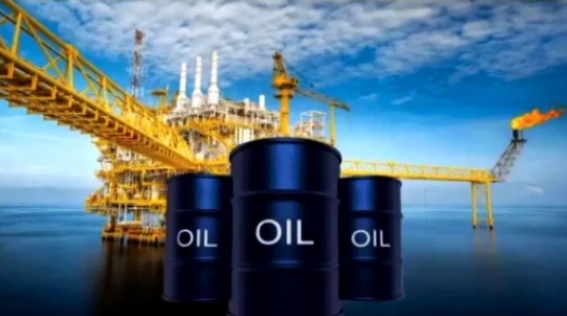
Global oil markets surged above 100 dollars per barrel amid heightened geopolitical tensions involving Iran and the United States.
According to market reporting widely circulated, the spike was driven by fears of disruption to crude supply routes linked to the Strait of Hormuz.
The Strait of Hormuz is considered a critical global energy corridor, handling a significant share of seaborne oil trade, and any threat to its stability typically triggers immediate price escalation, according to International Energy Agency risk assessments.
Brent crude futures reportedly climbed sharply as traders priced in potential supply shocks and reduced shipping security in the Gulf region, according to commodity desk analysis from major investment banks.
ALSO READ: Hunger grows as millions in Sudan survive on one meal a day, NGOs warn of deepening famine
The United States dollar strengthened against major currencies as investors shifted capital into safer assets, a pattern commonly observed during geopolitical stress episodes, according to Bloomberg market commentary.
Global equity markets declined as risk appetite weakened, with analysts linking the sell off to fears of rising energy costs and renewed inflationary pressure, according to Reuters financial reporting.
The United States government move described by international media as a maritime enforcement escalation targeting Iranian-linked shipping activity intensified uncertainty in global trade sentiment.
Energy sector stocks moved higher in contrast to broader markets as higher crude prices improved revenue expectations for oil producers, according to financial market analysts cited by CNBC.
Transport and airline shares fell due to concerns that sustained oil prices above 100 dollars could significantly increase operational fuel costs, according to market strategists from major brokerages.
Analysts warned that prolonged instability in the region could amplify inflation risks globally, particularly for economies still managing post pandemic price pressures, according to IMF linked risk commentary on energy shocks.
Investors continued to monitor diplomatic signals closely as any de escalation between Washington and Tehran could quickly reverse recent gains in oil prices and stabilise equity markets, according to global trading desk expectations.