By Emmanuel Babafemi

April 13, 2026
The International Monetary Fund has issued its latest assessment on Nigeria following the 2026 Article IV consultation and discussions held at the Spring Meetings in Washington DC in April 2026, warning that recent economic progress remains fragile and dependent on sustained policy discipline.
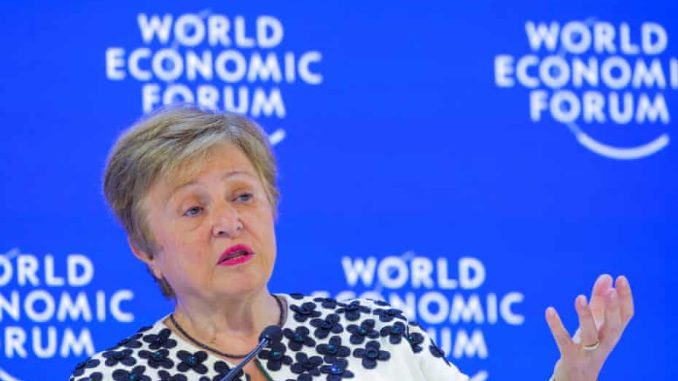
IMF Managing Director Kristalina Georgieva, speaking during the April 2026 Spring Meetings press briefing, said that reform driven recoveries in emerging markets, including Nigeria, are real but still fragile, stressing that any policy reversal could quickly undermine progress.
In its staff report on Nigeria within the 2026 consultation cycle, the IMF noted that recent measures such as fuel subsidy removal and exchange rate reforms are beginning to stabilise macroeconomic conditions, but emphasised that consistent implementation is required to secure long term benefits.
The Fund raised Nigeria’s 2026 growth outlook to about 4.4 per cent in its regional economic outlook for Sub Saharan Africa presented at the same Spring Meetings in Washington, reflecting early gains from reforms, improved oil sector performance, and gradual restoration of investor confidence.
Despite this improvement, the IMF warned that inflation remains a major challenge, continuing to reduce purchasing power and limit effective monetary policy responses. It cautioned that without stronger coordination between fiscal and monetary authorities, inflation could weaken current gains.
ALSO READ: Why we are powering Africa’s steel revolution — Algre-se Global CEO, Fatunla
During the IMF Executive Board review of Nigeria’s economy, directors supported ongoing reforms but warned of reform fatigue, stressing that sustained implementation is essential to entrench stability and support inclusive growth.
Georgieva also highlighted during the April 2026 meetings that global economic uncertainty remains elevated, noting that geopolitical tensions and financial volatility could have lasting effects on the global economy. For Nigeria, the IMF identified risks including volatile capital flows, oil price fluctuations, and exchange rate pressure.
The Fund’s overall position is that Nigeria’s recovery is underway but not yet secure, and that sustaining reforms, controlling inflation, and protecting the economy from external shocks will determine whether current gains are preserved or reversed.